M&E Specialist · Researcher · Epidemiologist
EmmanuelNeneOdjidja
Better Evidence for Bettering Lives.
About
“If a programme works, it should be proven using sound evidence, not anecdotes.”
Emmanuel Nene Odjidja
M&E Specialist · Researcher · Epidemiologist
Originally from Ghana, I have spent over a decade working at the frontlines of global health and international development, from pastoralist communities in South Sudan to health facilities in rural Burundi and research institutions in the United Kingdom.
I hold a Master of Science in Global Health (Distinction) from Queen Margaret University in Edinburgh, with a focus on epidemiology. My professional conviction is simple: if a programme works, it should be proven using sound, methodologically rigorous evidence, not anecdotes.
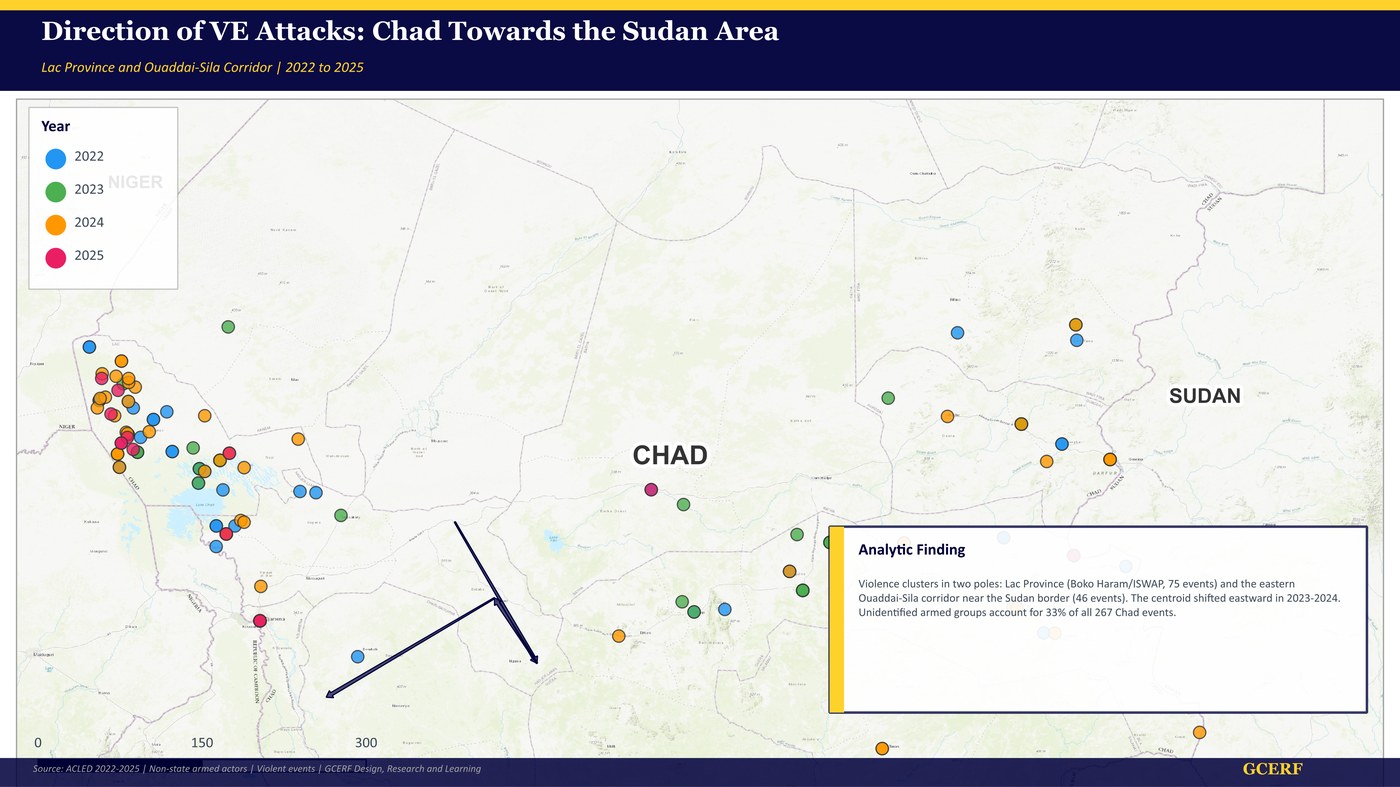
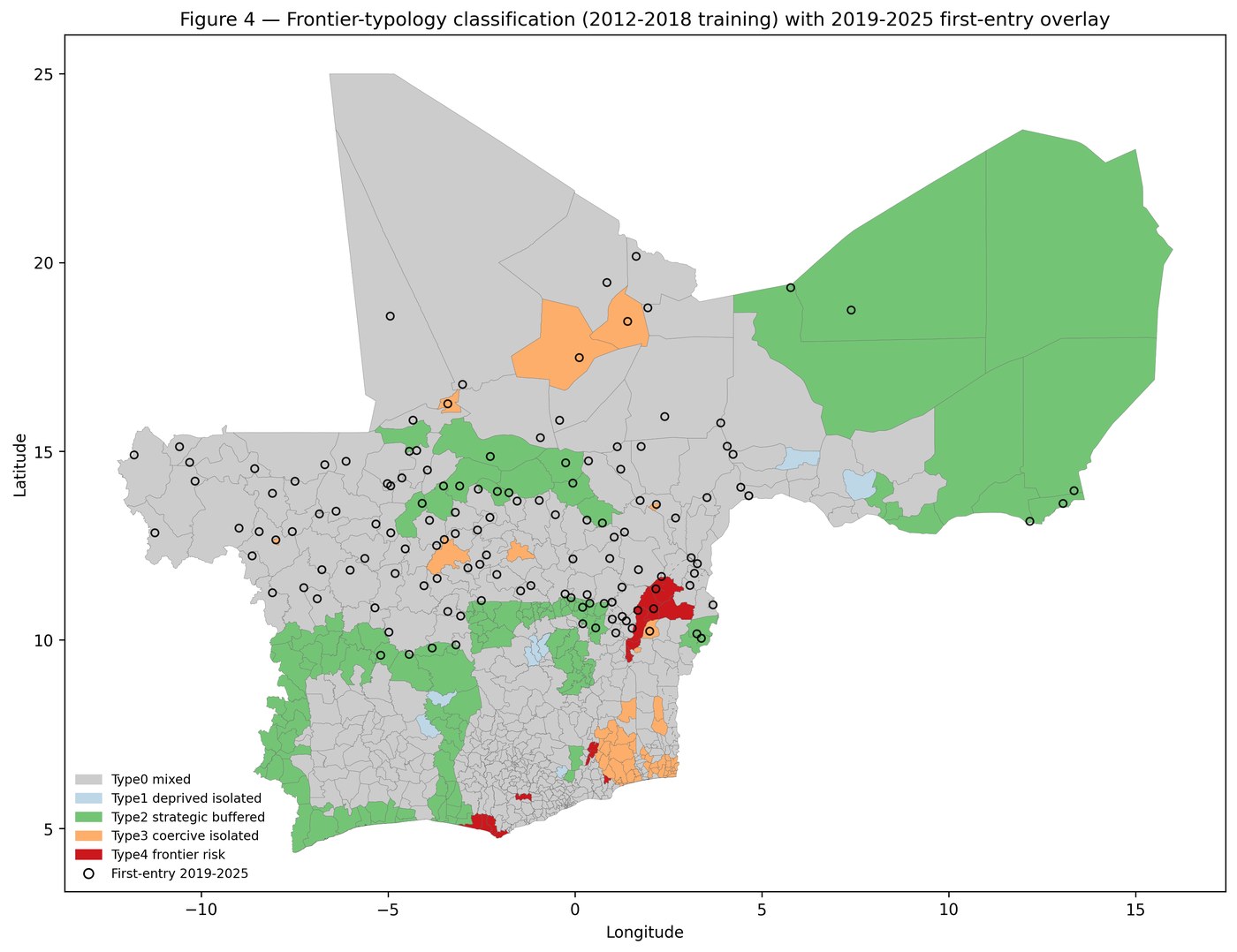
My career has been defined by a singular commitment to building credible evaluation systems in the most challenging operational environments. I have designed and managed evaluations of programmes aimed at preventing violent extremism, strengthening health systems, and addressing the intersection of climate change, food insecurity, and conflict across West Africa, East Africa, the Sahel, North Africa, and South Asia.
My research spans maternal and child health, infectious disease control, nutrition, health financing, and the nexus between climate change, food insecurity, and violent extremism. I am bilingual with full professional proficiency in English and French.
Outside of work, I am a committed runner and semi-marathonist, still chasing the dream of completing a full marathon.
Education
MSc Global Health (Distinction), Queen Margaret University, Edinburgh
Languages
English (Native) · French (Full Professional)
Expertise
Experience
A Decade at the Frontlines
Building evidence across fragile and conflict-affected settings, from pastoralist communities to multi-country evaluation programmes.
2021 – Present
Geneva
M&E Specialist: Research, Design & Learning
GCERF — Global Community Engagement and Resilience Fund
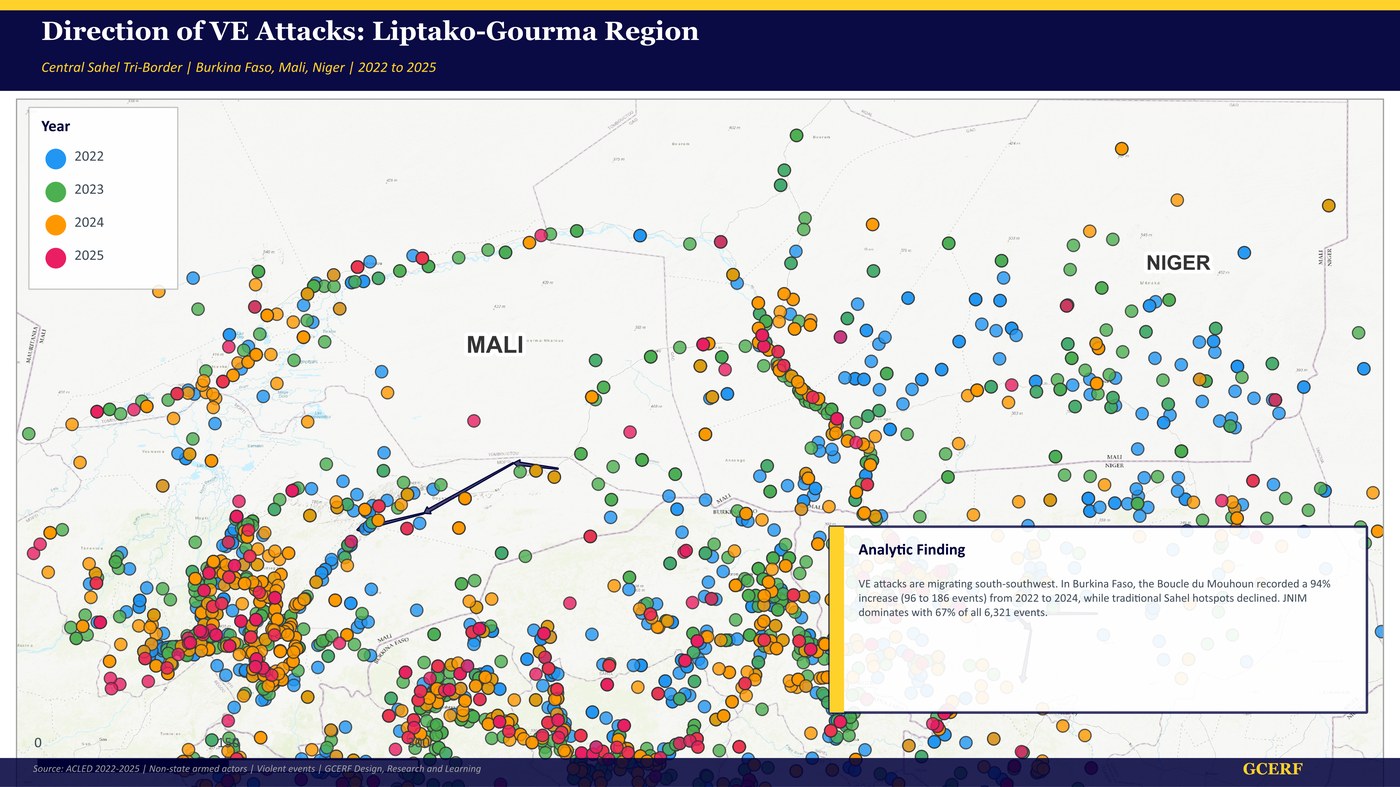
Design and manage evaluations of PVE programmes across the Sahel (Burkina Faso, Mali, Niger), Tunisia, and Sri Lanka. Lead evaluation design, quality assurance, and evidence synthesis. Co-authored research on the climate–conflict–food insecurity nexus.
2024 – Present
Section Editor, Case-Based Evaluations
Journal of MultiDisciplinary Evaluation (JMDE)
Provide editorial leadership for the case-based evaluations section, guiding its thematic direction and standards for methodological rigour and practical relevance, while managing submissions end-to-end from initial screening and peer review coordination to final decisions.
2018 – 2021
Burundi
Research, Monitoring & Evaluation Technical Lead
Village Health Works
Led impact evaluations, set up M&E systems, and published peer-reviewed research on malnutrition, neonatal survival, hypertension, and TB. Founded the Kigutu M&E Institute, training 32 clinicians and staff on epidemiology, evaluation, and health systems.
2016 – 2018
South Sudan
M&E Advisor / Research Lead
AVSI Foundation
Conducted SMART nutrition surveys, designed quasi-experimental evaluations, and researched infectious disease control among pastoralist populations in humanitarian settings.
2013 – 2015
Ghana
Programme & Research Officer
Ghana Health Service / CRC / USAID
Early career in programme design, monitoring, and classroom-level learning assessments in education and health.
Research
Publications
Peer-reviewed research spanning infectious disease, nutrition, maternal health, health systems, and the climate-conflict nexus.
Tuberculosis mortality and drug resistance among patients under TB treatment before and during COVID-19 in Burundi
BMC Infectious Diseases · Iradukunda, Getnet & Odjidja
Small Fish Big Impact: Improving Nutrition during Pregnancy and Lactation, and Empowerment for Marginalized Women
Nutrients (MDPI) · Saha, Ng, Odjidja et al.
Survival of newborns and determinants of their mortality in Burundi: A prospective cohort study
Research Square (Preprint) · Ndayishimiye et al. incl. Odjidja
The effect of health financing reforms on incidence and management of childhood infections in Ghana: A matching DiD impact evaluation
BMC Public Health · Odjidja et al.
Bibliometric analysis of the top 100 cited articles on HIV/AIDS
Annals of Infection · Gatasi, Musa & Odjidja
Coronavirus disease 2019 and viral hepatitis coinfection: Provide guidelines for integrated screening and treatment
Journal of Medical Virology · Odjidja, Laurita Longo, Rizzatti & Bandoh
2030 Countdown to combating malnutrition in Burundi: Comparison of proactive approaches for case detection
International Health (Oxford) · Odjidja et al.
Delivery of integrated infectious disease control services under the new ANC guidelines: A service readiness assessment in Tanzania
BMC Health Services Research · Odjidja, Gatasi & Duric
AI for Good Lab
PRAXIS
An AI for Good lab pioneering the use of artificial intelligence in programme evaluation and development research.
The Challenge
Evaluation in fragile and conflict-affected settings demands methodological rigour under conditions that make rigour difficult. Yet the tools available to evaluators have barely changed in decades. PRAXIS exists to close that gap, bringing artificial intelligence into the service of better evidence.
The Approach
PRAXIS builds open-source AI tools that encode twelve years of field evaluation experience into systems any researcher or practitioner can use. By combining large language models with validated evaluation frameworks, the lab is making methodological expertise accessible to organisations that have never had the budget to hire specialist evaluators.
—AI-assisted evaluation design spanning 20+ methodological approaches
—Automated framework selection adapted for fragile and conflict-affected contexts
—Open-source tools that democratise access to evaluation expertise
—Field-tested methods bridging the gap between academic rigour and operational reality
In Practice
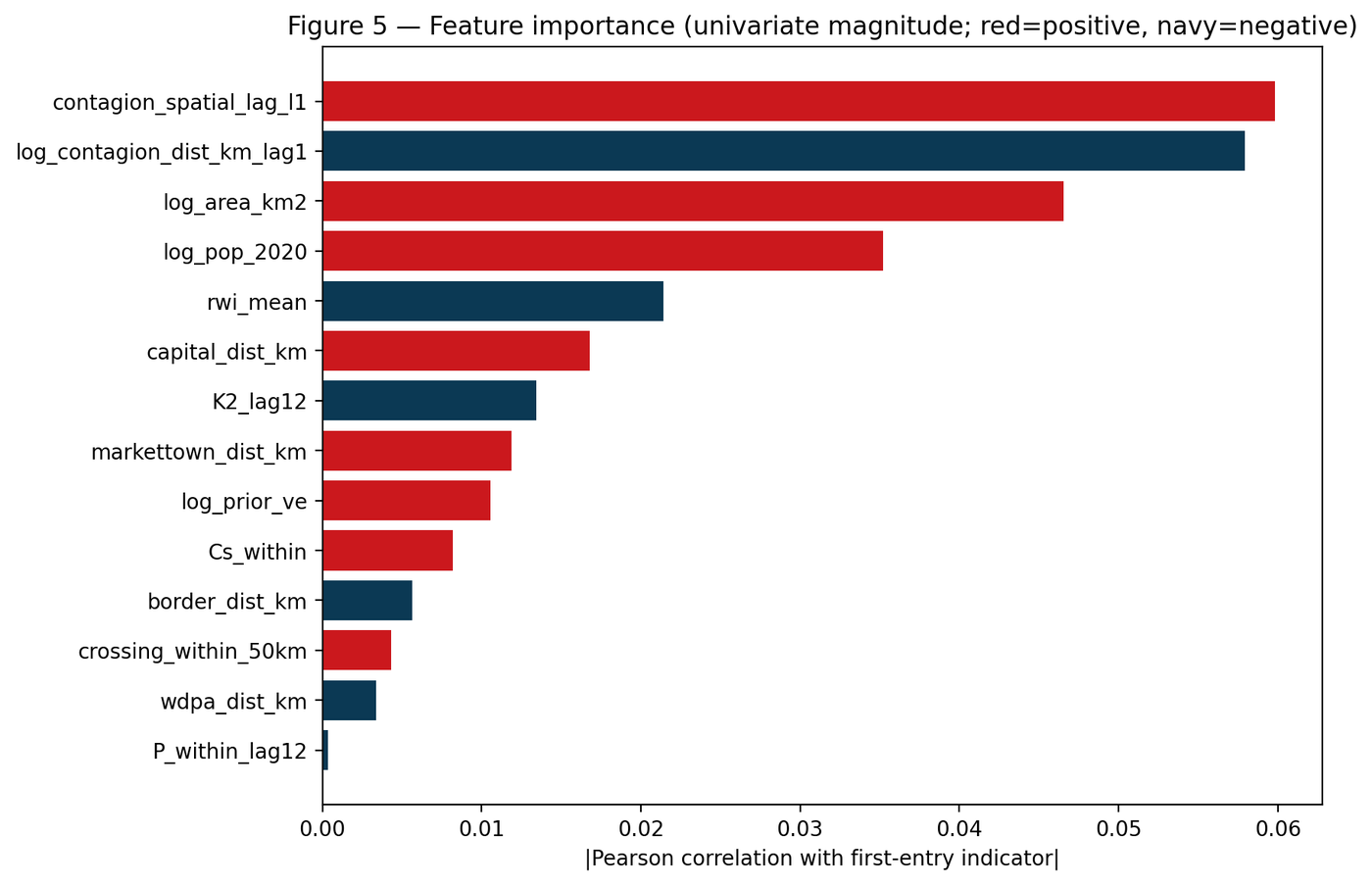
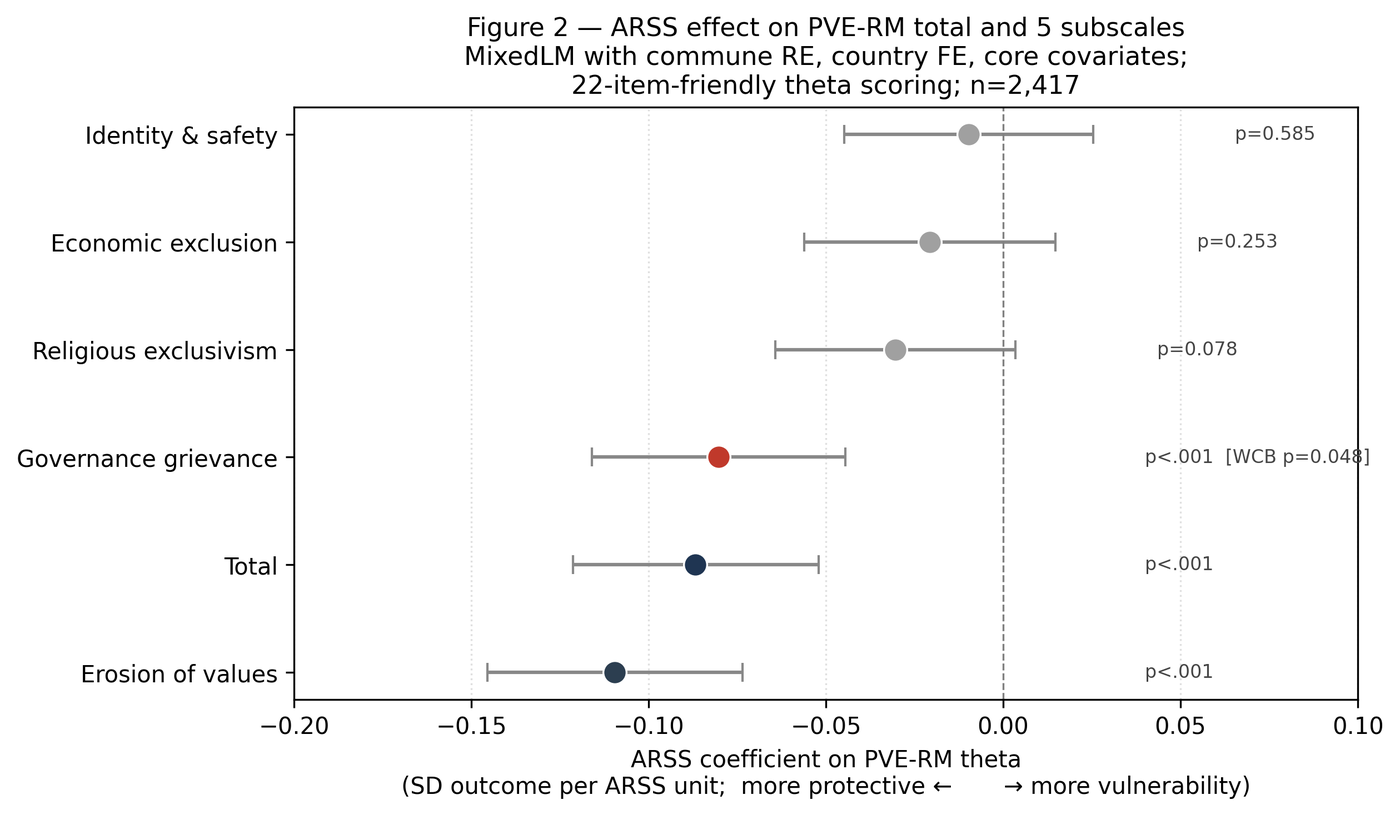
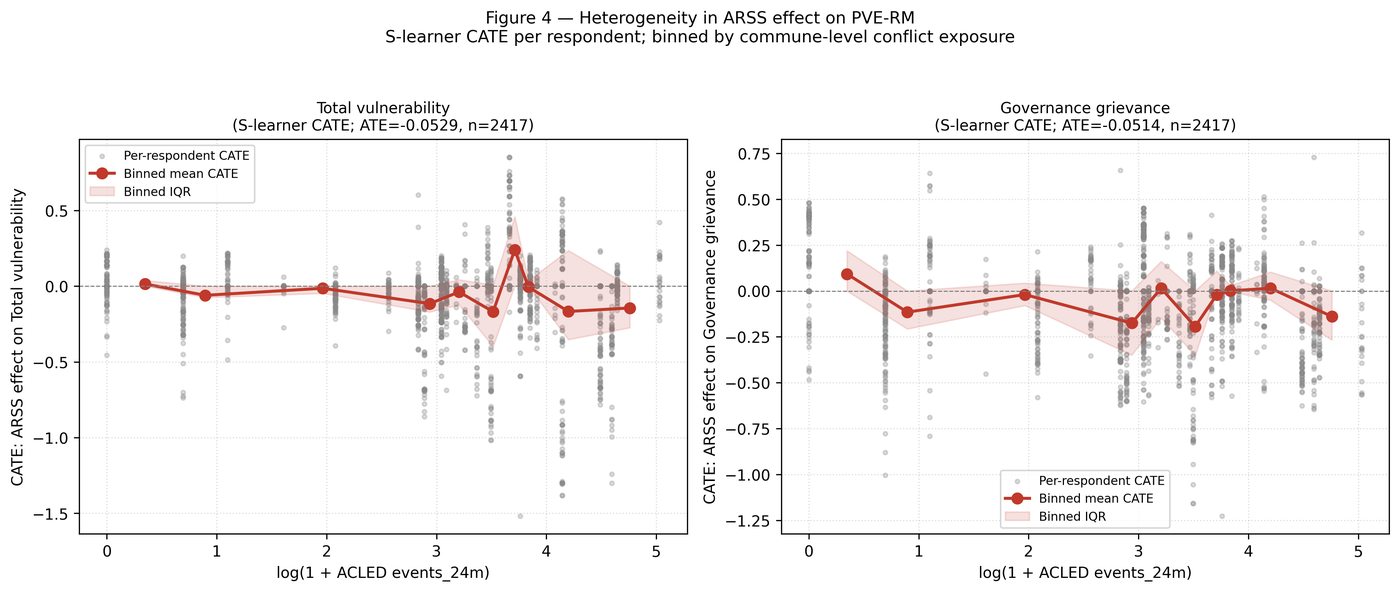
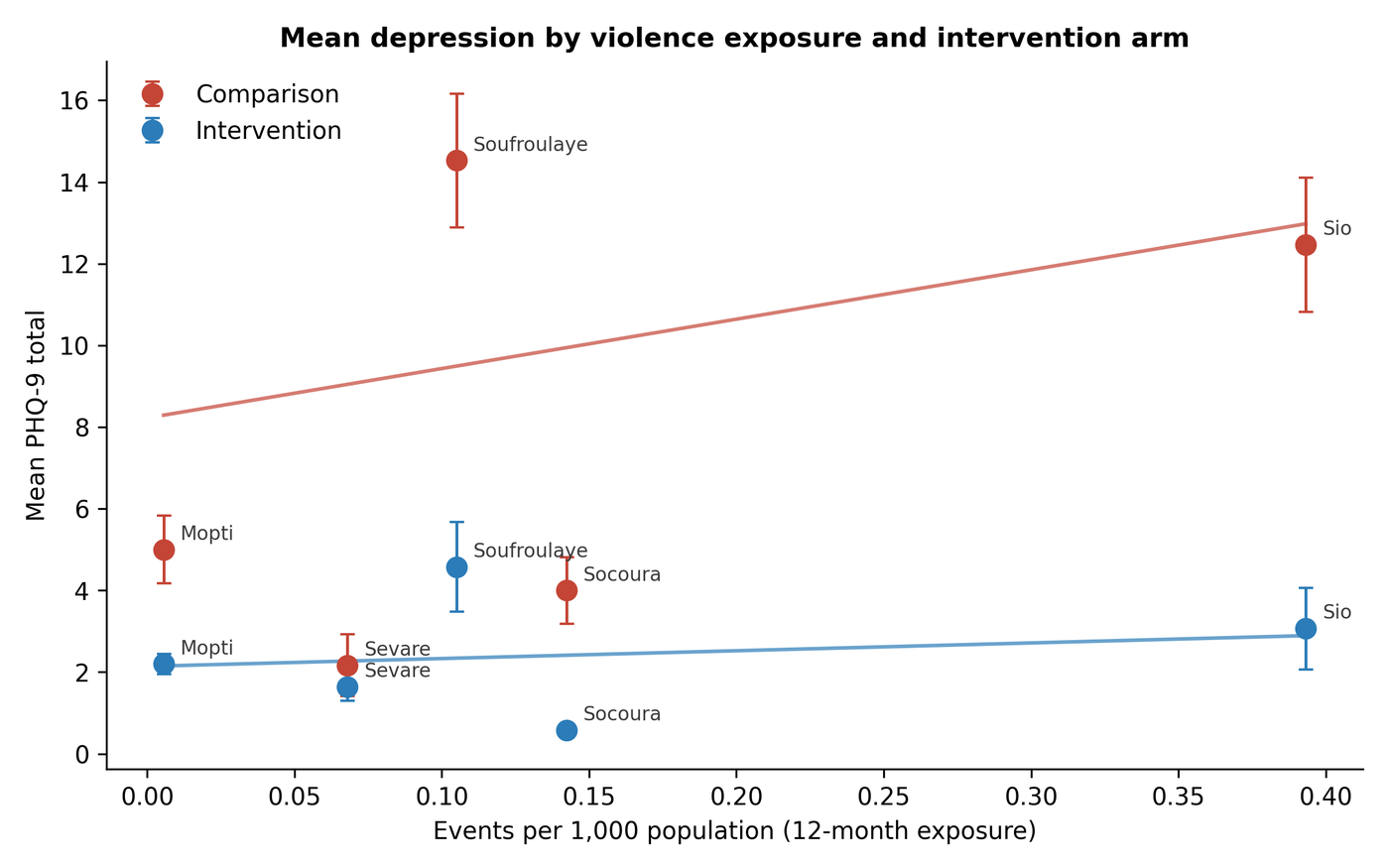
When an organisation needed to evaluate a countering violent extremism programme across three Sahelian countries, PRAXIS tools guided the selection of a contribution analysis framework, identified context-appropriate indicators, and structured a mixed methods design that balanced the need for causal evidence with the realities of operating in insecure environments.
Illustrative data
The Result
reduction in evaluation design time
Organisations using PRAXIS tools report faster evaluation design cycles while maintaining the methodological consistency required for credible evidence across multi-country programmes.
Commentary
Writing & Ideas
Commentary
The Evaluation Gap: Why Development Programmes Fail to Prove Their Worth
Billions flow into development programming each year, yet fewer than one in five programmes undergoes a rigorous impact evaluation. The consequence is not merely academic. Without credible evidence of what works, funders recycle failed approaches, practitioners lose institutional memory, and the communities these programmes claim to serve bear the cost of well-intentioned guesswork. Closing this gap requires more than technical fixes. It demands a fundamental shift in how organisations value and invest in evaluation from the outset.
Read“The most valuable evaluations are not necessarily the most methodologically sophisticated ones. They are the ones designed with enough pragmatism to survive first contact with the field.”
Contact
The best evidence is built in partnership.
If you are exploring a research collaboration, designing an evaluation framework, or rethinking how evidence shapes policy, I would welcome the conversation.